


Body
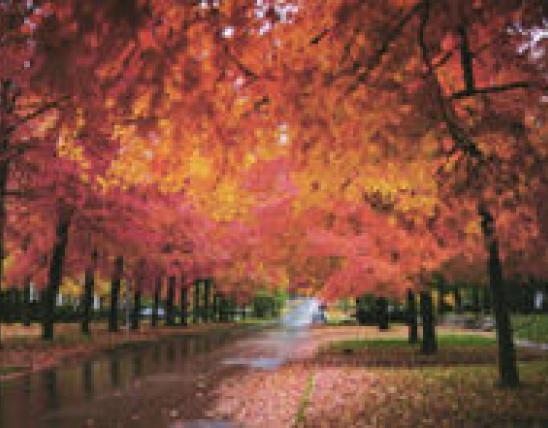
Join Xplor for a guided tour of wet, wild, and wonderful wetlands.



Join Xplor for a guided tour of wet, wild, and wonderful wetlands.
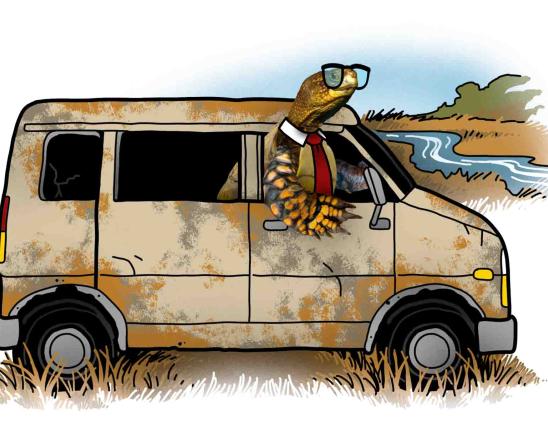
Motivational messages from a three-toed box turtle.
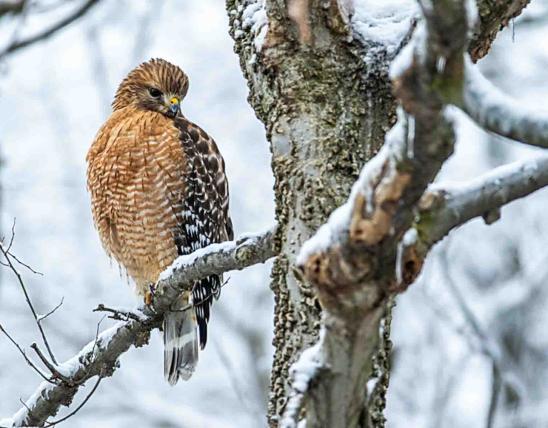
Make this mini field guide to learn about Missouri’s birds of prey
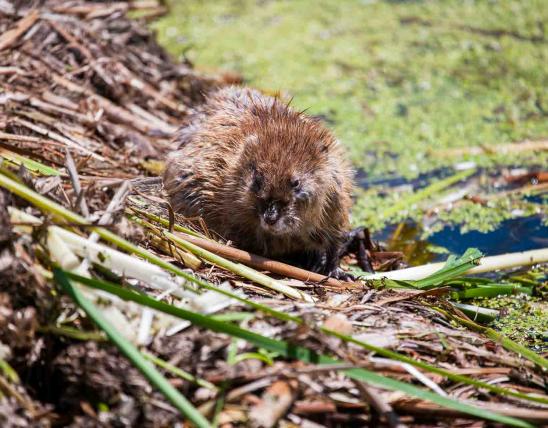
Hungry muskrats are the architects of the marshes where they live.


Read articles on Success Comes Slowly, and Life on the Soggy Side
Read more about Hunters of the Skies, and Marshchitects
Read more on Wildlife in Winter and Diary of a Wild Turkey
Read articles on Mystery Cats, and A Little Walk on the Prairie
Read articles on Nature’s Red, White, and Blue, and Giants of the Night
Read articles on Dinner from the Dirt and Postcards from a Wandering Warbler
Read articles on The Dirt on Soil Critters, and Wild Memes
Read articles on Flower Farmers and Animal Architects
Read articles on Conservation You Can Do, and Wild Workout
Read articles on Head-Scratchers and Knee-Slappers, Show-Me UFOs, and Red Fox.